
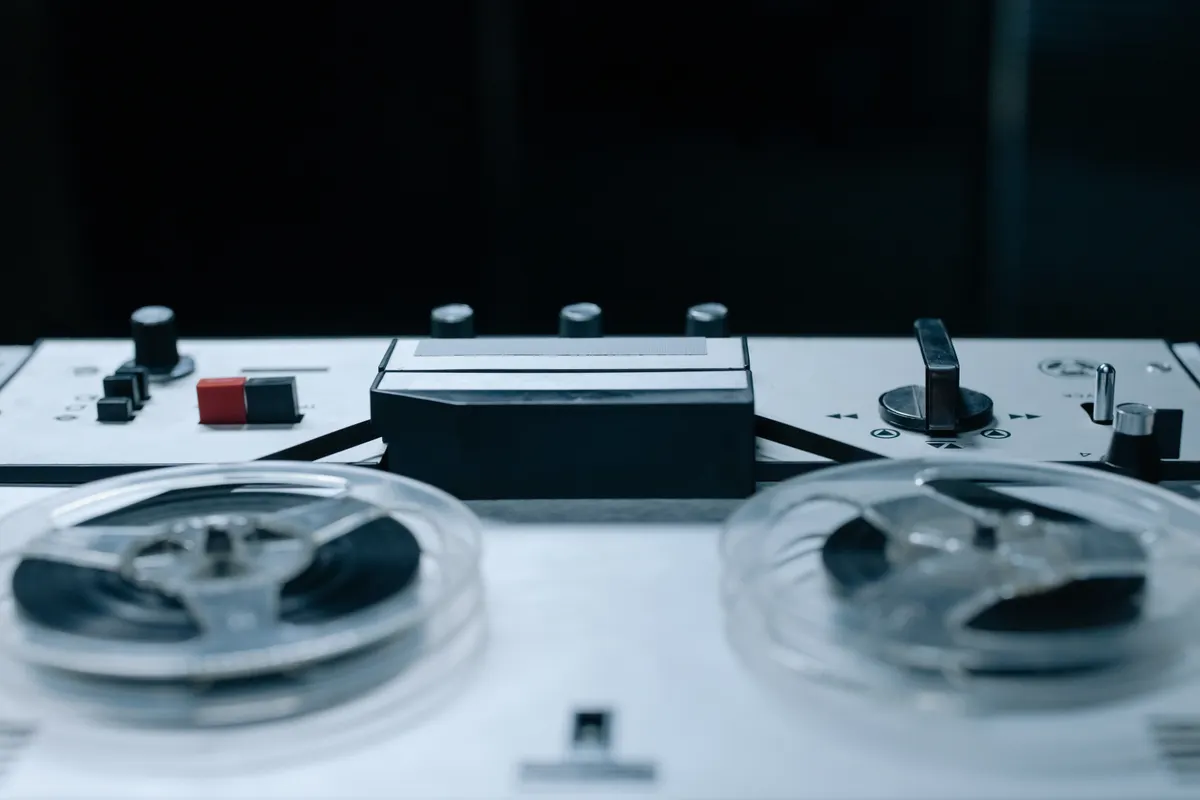
There is a specificity to Dermot Henry’s debut album that announces itself before a note is heard. Bad Throw, Good Catch, due digitally on 20 November via Island Records, was recorded live to tape with Henry’s band and producer Dom Monks at Monks’ studio in Frome, a 15-minute drive from Henry’s childhood home in Wiltshire. The geography matters. This is a record rooted in place, in family, in the particular texture of conversations with people Henry knows well.
The album’s second single, ‘I Love You, That’s All’, is out now, following the earlier ‘I Wish I Was Ennio Morricone’. The new track moves from piano ballad to full-band crescendo, and Henry has been candid about what provoked it. ‘I wrote this song when I was scared about the world last year,’ he said. ‘It seems like it’s gotten worse since then. It’s easy to slip into apathy and hopelessness and in this song I was trying to remind myself that connection, community and love are so important to getting around this.’ The arc of the arrangement, from sparse to swelling, follows the logic of that thought rather than imposing one on it.
Dermot Henry Debut Album: Recording, Family and the Frome Sessions
Dom Monks is not an obvious choice for a record this intimate, given that his credits extend to Laura Marling and Big Thief, and, according to The Line of Best Fit, Michael Kiwanuka. But the instinct proves right. Henry’s approach to the sessions was deliberately open-ended: ‘I am not someone who can conceive an end goal which meant us following the way the songs were leading, thus ending up at a conclusion that felt like it always had existed to me.’ Live to tape recording suits that philosophy, closing off the option to paper over a feeling in post-production.
The cast of collaborators is unusually close. ‘I had the beautiful privilege of making this album with some of my closest friends, family, and wonderful collaborators,’ Henry said. His mother sings backing vocals on ‘Your Love Is A Lifetime’. His 93-year-old grandfather, who supplies Henry with observations and remarks that Henry writes down after their conversations, can be heard on the closing track, ‘Now, Forever’, singing part of a West Country folk song, ‘The Vly Be On The Turmut’, also known as ‘The Fly Be On The Turnip’. Conversations, Henry has said, are a recurring source of material for him, and the grandfather’s presence on the record is less a stylistic flourish than a logical extension of how the songs were generated in the first place.
Amazon Music UK lists Bad Throw, Good Catch at 44 minutes. That is a considered running time for a debut, long enough to establish a world, compact enough to resist the over-explanation that can weigh down a first record. Henry’s instinct for restraint extends to tone. He has spoken of the ‘trade-off between goofiness and earnestness’, arguing that over-earnest music, music that tries too hard to force an emotional response, becomes inert. ‘Life isn’t like that,’ he said. ‘It can be, but it’s such a varied experience, so listening to music should be like that as well.’
A Voice Shaped by the West Country
That balance, between humour and weight, between the parochial and the universal, is something British folk and Americana-adjacent artists have been navigating with varying success for years. Henry’s Wiltshire background, the proximity of the studio to his childhood home, his grandfather’s West Country song embedded in the final track: these are not gestures toward authenticity but evidence of it. The record sounds as though it could only have been made by this specific person in this specific place, which is a rarer achievement than it looks.
Bad Throw, Good Catch is released digitally on 20 November via Island Records.
 Heart
Heart Haha
Haha Love
Love Wow
Wow Yay
Yay Sad
Sad Poop
Poop Angry
Angry
