
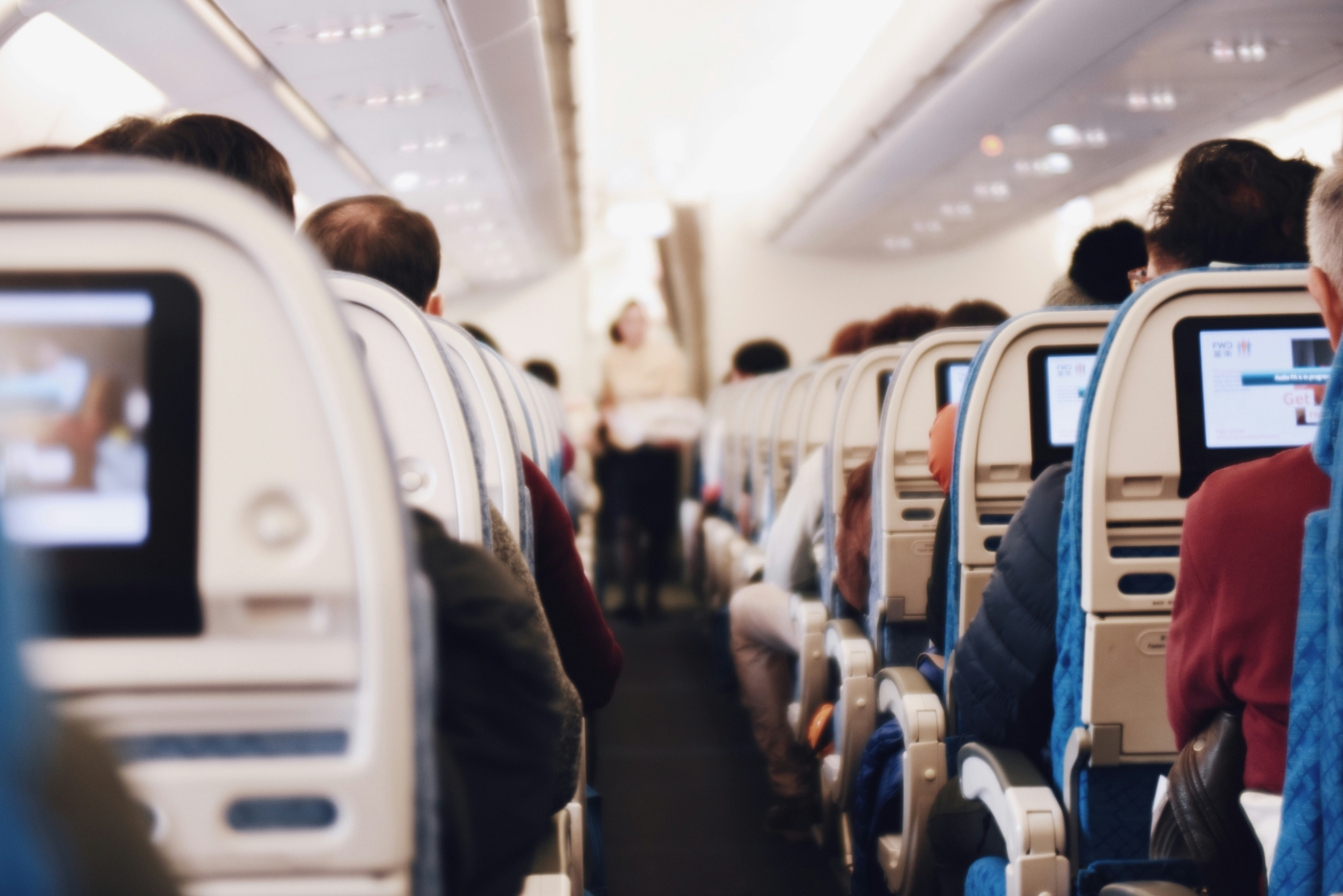
Hospital admissions for life-threatening allergic reactions in England have more than doubled in the past 20 years, and experts warn the surge is fuelling clashes between parents and airlines.
Families have already reported being told to leave flights at the gate after declaring their child’s allergy. One British family said they were removed from a flight after informing staff about their child’s peanut allergy, leaving them stranded before take-off.
Dr Asimah, a GP working with specialist travel insurance provider Staysure, said:
“Food allergies aren’t fussiness – they can be fatal. At altitude, the risks are even greater, and if crew don’t feel prepared, some airlines will take the drastic step of removing families altogether.”
Airlines argue they cannot guarantee an allergen-free environment. Some refuse to make announcements asking passengers not to eat nuts, while others have stopped serving them entirely. The lack of consistency leaves parents anxious and uncertain.
Parents are also voicing their fears online. On Reddit, one mother preparing for a long-haul trip with her children who have peanut allergies admitted she was “terrified” and asked other parents what precautions they take before flying sparking a flurry of advice and debate.
Food allergies are more common than ever. The Food Standards Agency estimates around six per cent of UK adults – that’s 2.4 million people – have a clinically confirmed food allergy, while research published in the Lancet Public Health shows around one in 25 young children are affected.
Doctors advise parents to plan carefully to prevent flight refusal at the gate or, worse, anaphylaxis shock during the flight. This involves declaring the allergy by informing the airline during or after booking, usually through their website or by contacting their assisted travel team, carrying a letter from a GP or specialist, travelling with two adrenaline pens in hand luggage, and packing sealed food instead of relying on airline meals.
Failing to prepare may result in removal from a flight or serious allergic reaction without full medical support. Overseas medical treatment can also mean bills running into thousands of pounds so it’s important to ensure if your travel insurance policy covers the allergy.
Dr Asimah added:
“Parents need to treat allergy planning as carefully as they do passports and boarding passes. Preparation is vital, and that includes making sure your travel insurance covers allergies, so you can travel assured knowing you’re financially and medically protected if the worst happens.”
Comprehensive travel insurance ensures families are covered even if airlines can’t guarantee a nut-free environment, so preparation is key, and travel insurance tailored for allergies becomes essential.
If you’ve declared the allergy on your travel insurance, you’ll be covered for emergency medical treatment overseas relating to that allergy, and it can even help cover the costs should you be forced to cancel your trip beforehand because of an allergic reaction.
CHECKLIST FOR PARENTS:
- Declare the allergy when booking your flights, by informing the airline through their website or by contacting their assisted travel team.
- Carry a GP or specialist letter outlining allergies, medical history and medications, including Adrenaline Auto-Injectors (AAIs). Have some important allergy information translated into the language of the visiting country in case of emergency.
- Always carry two, in date, prescribed adrenaline auto-injectors (AAIs) with you at all times in hand luggage.
- Communication is key – make sure allergy needs are communicated clearly and consistently to the airline and cabin crew before your flight.
- Check the expiry date of adrenaline auto-injectors and/or other allergy medication and ask your doctor to prescribe new ones before they expire.
- Pack safe, sealed food for the journey
- Bring anti-bacterial wipes to clean your child’s seat, tray and arm rests
- The allergy needs to be declared as a medical condition along with any other pre-existing medical conditions on your travel insurance policy to be covered for overseas treatment.
For further information on travelling with allergies, please visit Living with Coeliac Disease and Food Intolerances: Travel Tips or Top tips for travelling with food allergies on the Staysure website.
 Heart
Heart Haha
Haha Love
Love Wow
Wow Yay
Yay Sad
Sad Poop
Poop Angry
Angry
