
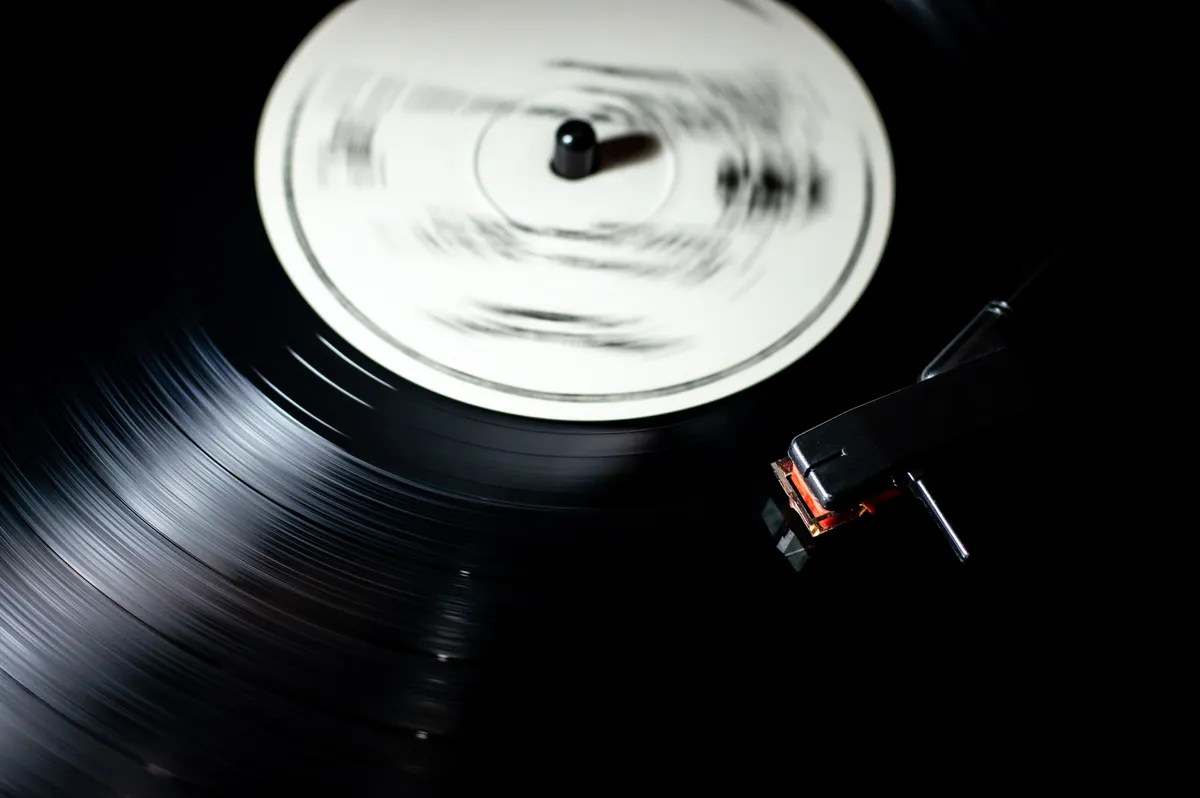
Blue Note Records is set to reissue the After Midnight: Complete Sessions as part of its Tone Poet Audiophile Vinyl Series, arriving on 13 November to mark the 70th anniversary of Nat King Cole’s 1956 recording. The expanded 2-LP edition gathers everything Cole committed to tape across four sessions at Capitol Studios in August and September of that year, presenting the material under a single title for the first time.
What the After Midnight Complete Sessions Actually Captures
The original After Midnight has long occupied a particular place in Cole’s catalogue, and it is not difficult to understand why. Where his trio recordings tend toward the polished and the purposeful, these sessions caught him in a looser, more improvisational frame of mind, playing and singing alongside his longtime trio: John Collins on guitar, Charlie Harris on bass, and Lee Young on drums. Joining them across the four dates was a rotating cast of jazz heavyweights, including saxophonist Willie Smith, trumpeter Harry ‘Sweets’ Edison, violinist Stuff Smith, trombonist Juan Tizol, and percussionist Jack Costanza. The combination gave the sessions a collective warmth that sits apart from Cole’s more formally arranged work.
Liner notes for the reissue come from journalist and Cole scholar Will Friedwald, whose essay sets the tone well. ‘Cole’s piano playing itself is just as good on After Midnight but the strength of the album is that he’s playing and singing like a man on a lark,’ Friedwald writes, ‘just out to enjoy himself, rather than a man whose life’s mission was to raise the bar for the possibilities of small ensemble playing.’ That distinction matters. The record does not feel like Cole proving something; it feels like Cole at ease, which turns out to be its own kind of argument for his gifts.
The 18-track set includes such staples as ‘Sweet Lorraine’, ‘Caravan’, and ‘Route 66’, along with an alternate take of ‘You’re Looking at Me’ that gives the package its claim to completeness. Packaging is a gatefold tip-on jacket with rare photographs alongside Friedwald’s notes.
Harley and Gray at the Controls
On the production side, the reissue follows established Tone Poet practice. Joe Harley, who oversees the series, supervised the project, while mastering engineer Kevin Gray cut the new pressing directly from the original analogue tapes. That direct-from-tape approach has become the calling card of the Tone Poet series, prioritising fidelity to the source recording over any remastering or digital intermediary. For a session like After Midnight: Complete Sessions, recorded in the mid-1950s with the warmth of Capitol’s rooms still very much audible, the process is particularly well-suited.
Cole’s catalogue runs to nearly 40 albums and more than 150 charting singles, with over 50 million records sold across his career. Beyond his recording work, he was the first Black man to host a national television show in the United States, with NBC’s The Nat King Cole Show, and appeared in several films. He died in 1965 at the age of 45. He was posthumously awarded the Lifetime Achievement Award from NARAS and inducted into the Rock and Roll Hall of Fame.
What makes a reissue like this worth attending to, beyond the audiophile specifications, is the argument it makes about where Cole was at a particular moment. The Capitol sessions of 1956 did not generate his biggest commercial returns, but they preserved something the studio productions sometimes smoothed away: a sense of a musician genuinely at play. After Midnight: Complete Sessions arrives 13 November.
 Heart
Heart Haha
Haha Love
Love Wow
Wow Yay
Yay Sad
Sad Poop
Poop Angry
Angry
